Hong Kong as a
Global Arts Hub
What's good for art is good for business.
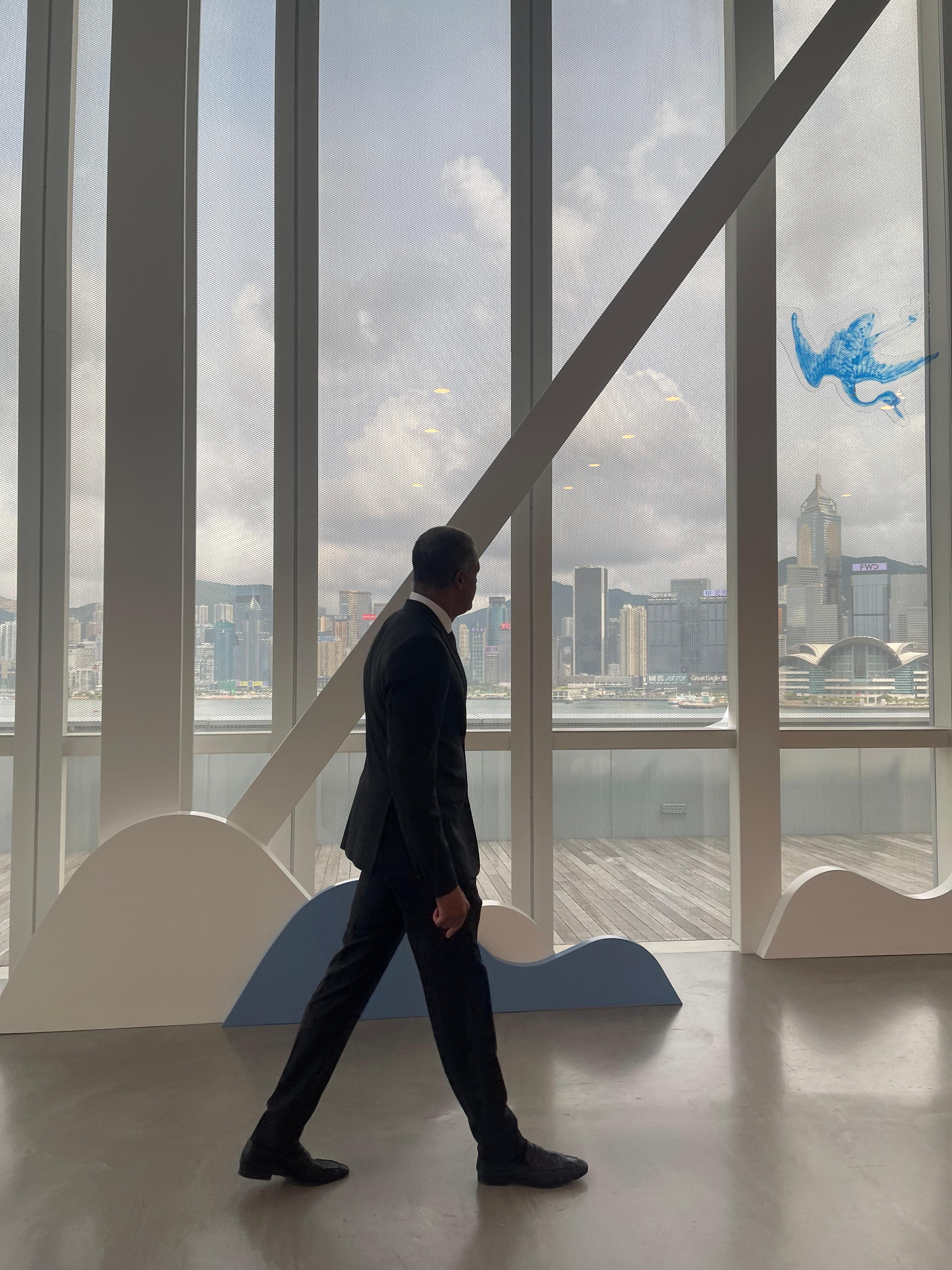
Hong Kong is now where Amsterdam was in the 17th century, London in the 18th, and New York in the late 19th. Each was a powerful financial city that created a world-class cultural infrastructure and a global market for art and culture — and each produced the great artists and masterpieces that defined its age.
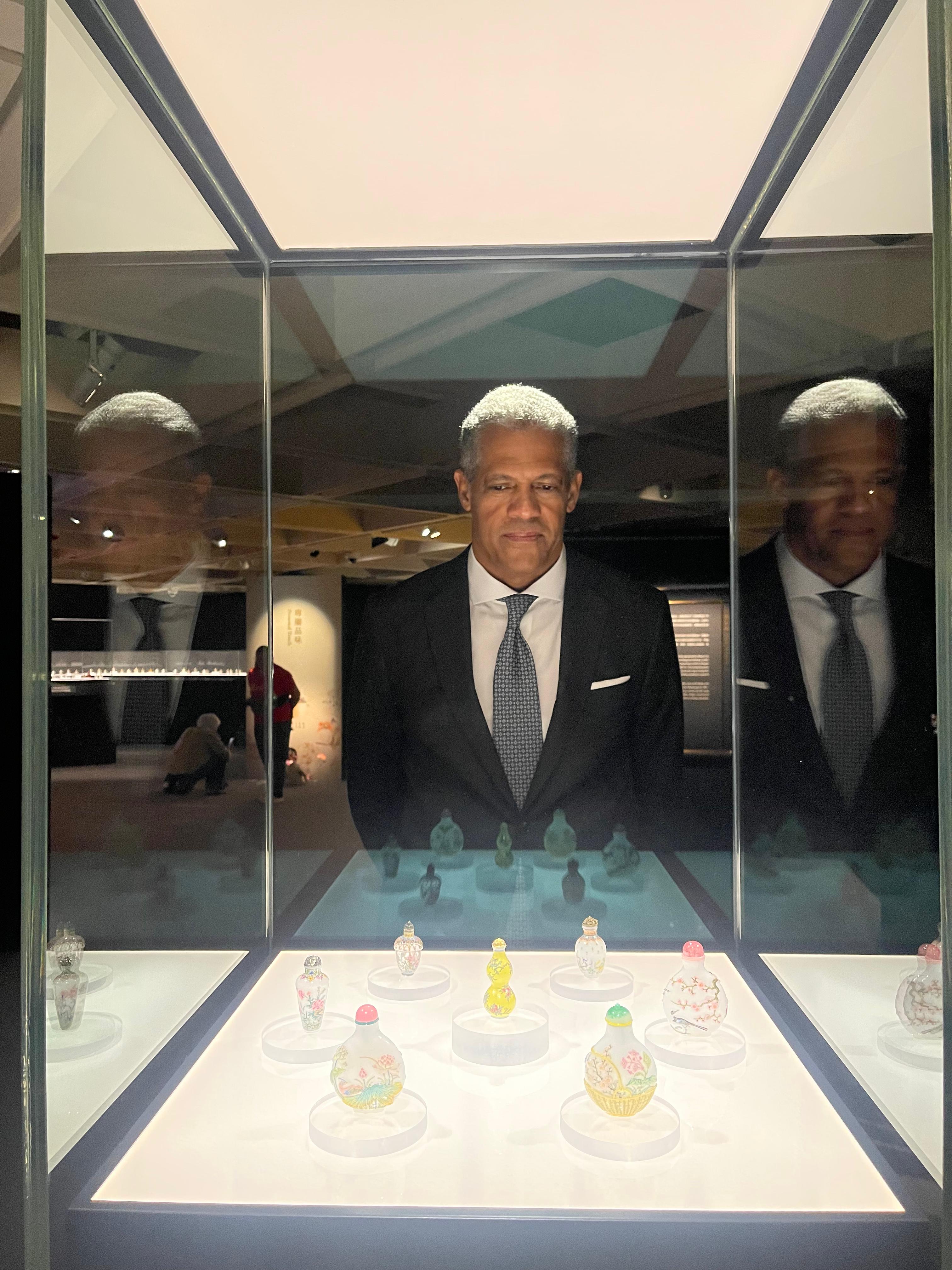
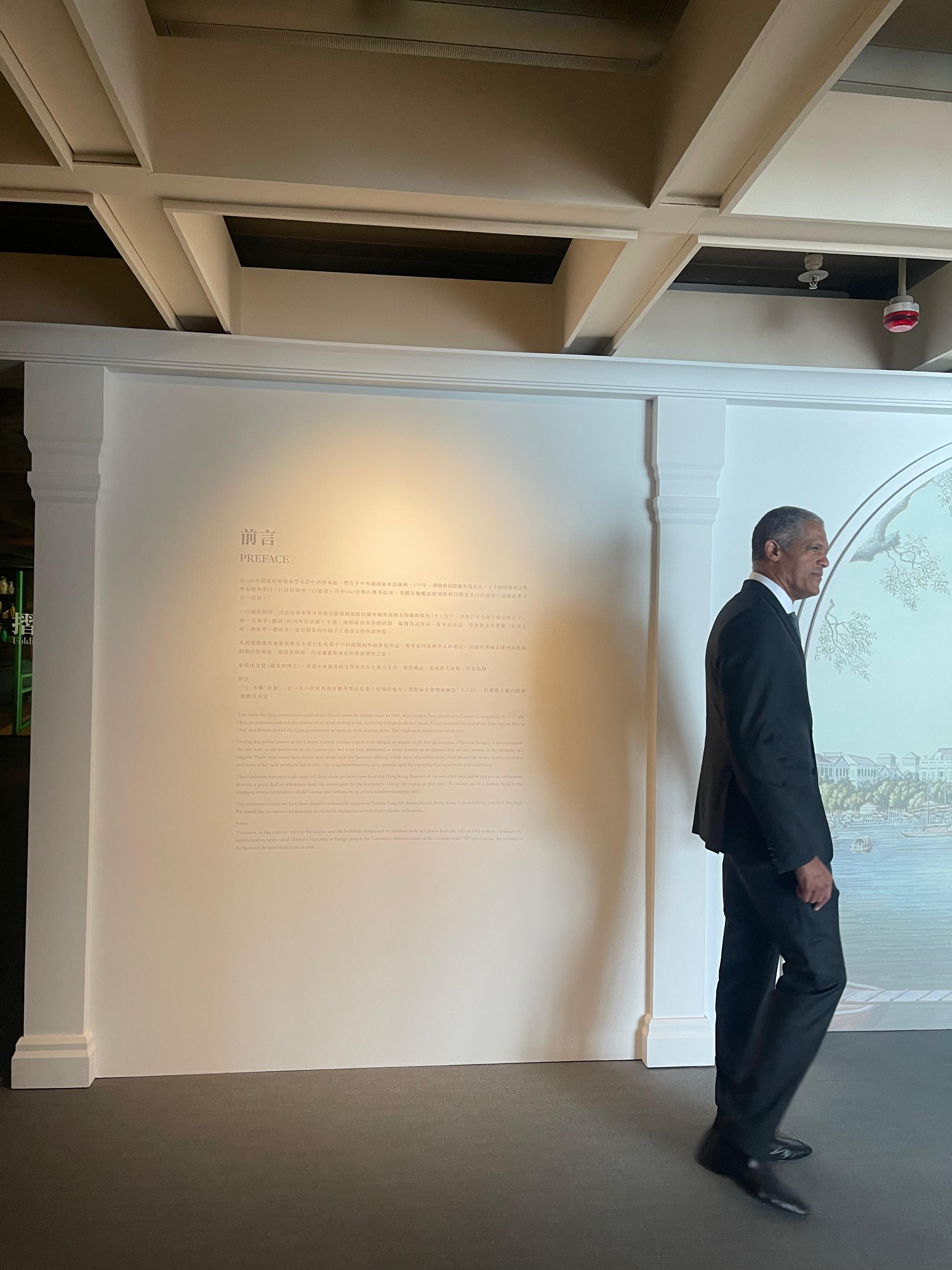
The opportunities abound for Hong Kong to position itself as a global hub of art and culture. Take art: the West Kowloon Cultural District is the largest cultural infrastructure project underway in the world. The M+ museum — larger than Tate Modern — and the Hong Kong Palace Museum are major attractions sure to draw global attention and interest.
Premier international galleries have already landed here, positioning themselves to serve mainland China as well as existing global clients. Shanghai and Beijing are important partners; so are Guangzhou and Shenzhen. Combined with the new private museums now opening across the mainland — in Shunde, in Chengdu — the opportunities to build connections with Hong Kong are endless. Even the global auction houses, Christie's and Phillips, are exploring unprecedented partnerships with China Guardian and Poly Auction, the two major mainland houses.
Hong Kong does not yet have the talent pool sufficient to run all these institutions or fill all the available jobs — nor does mainland China. In reality, all educational programming, for professionals, students, and the public alike, will have to increase to meet this burgeoning need.
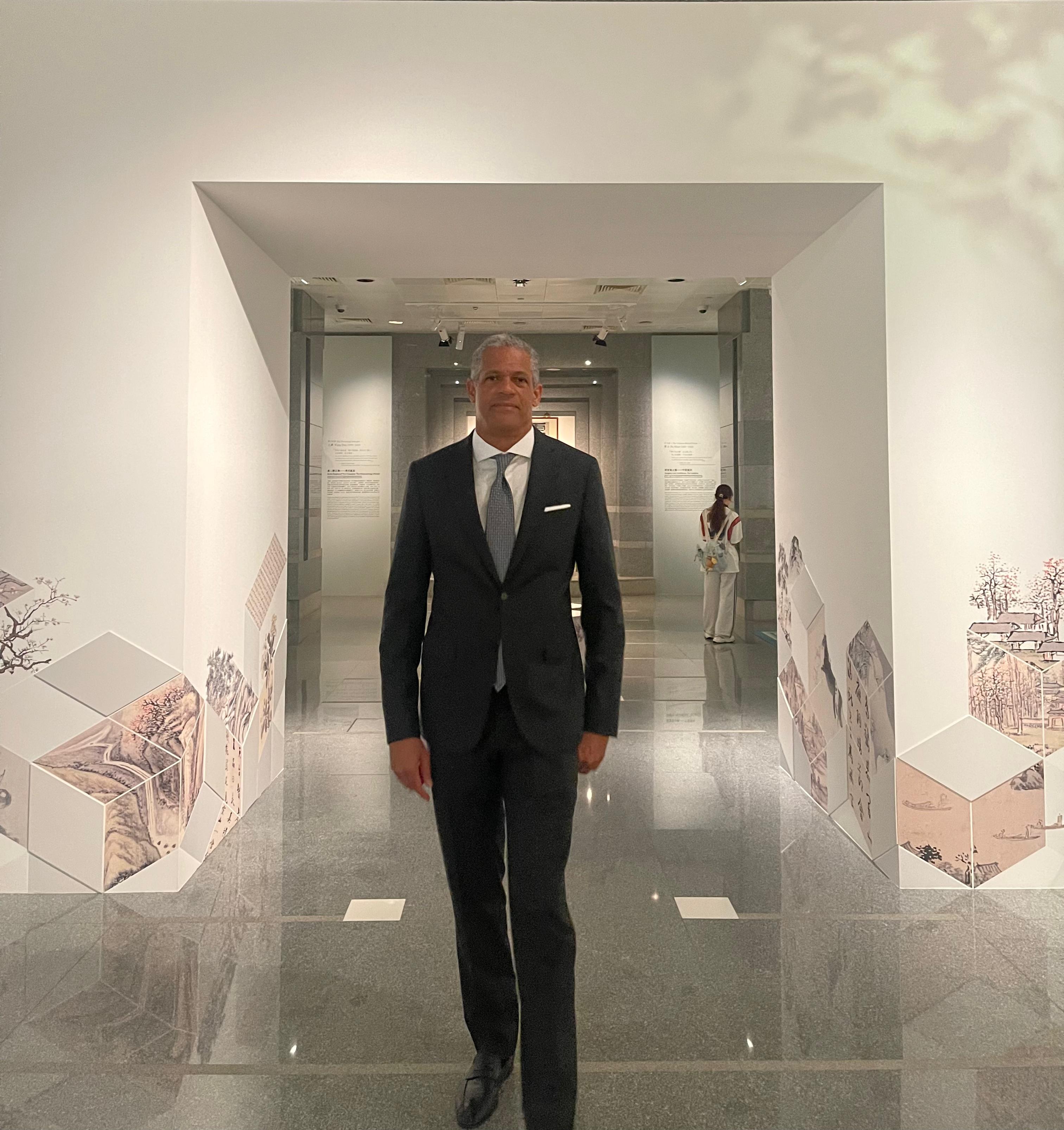
I. The PublicCreating an appetite for art
The goal is to create an appreciation for art in a mid-career, professional audience who did not necessarily grow up with museums.
These are financially secure professionals, keen to experience art or predisposed to buy in the market for the first time — but unsure where to start. The more appreciation there is for art, the greater the flow of people through the whole ecosystem: museums, galleries, auction houses, collectors, and artists all benefit.
II. BusinessWhere the opportunity lies
Corporates can lead. ING Group has collected contemporary art for decades and is a main sponsor of the Rijksmuseum, as is Philips — the Dutch conglomerate, not the auction house. Corporations like these, with their Asia headquarters in Hong Kong, have a remarkable opportunity to build visibility locally as supporters of cultural institutions, and to show other companies the benefits such support brings to corporate culture and society.
Another opportunity is in financial services. Art is a well-established asset class and an important form of portfolio diversification. Its data, risk, and return are well known to experienced collectors and private banks — but far less so outside those circles. Art-secured lending, art financing, fractional ownership, appraisal and valuation are all underdeveloped here. Like the private banks, Sotheby's runs a financial-services division it hopes to expand; there is room for specialty lenders to offer competitive, bespoke services.
Finally, the most important Western tradition of support for cultural institutions is private and corporate philanthropy — both anaemic in Hong Kong, where the vast majority of funding has come from government. Yet the West's most successful model is endowment funding and trusts, and Hong Kong has an unusually favourable, tax-advantaged trust structure that could be far more frequently deployed to support collections. All of which is why what is good for art is good for business.
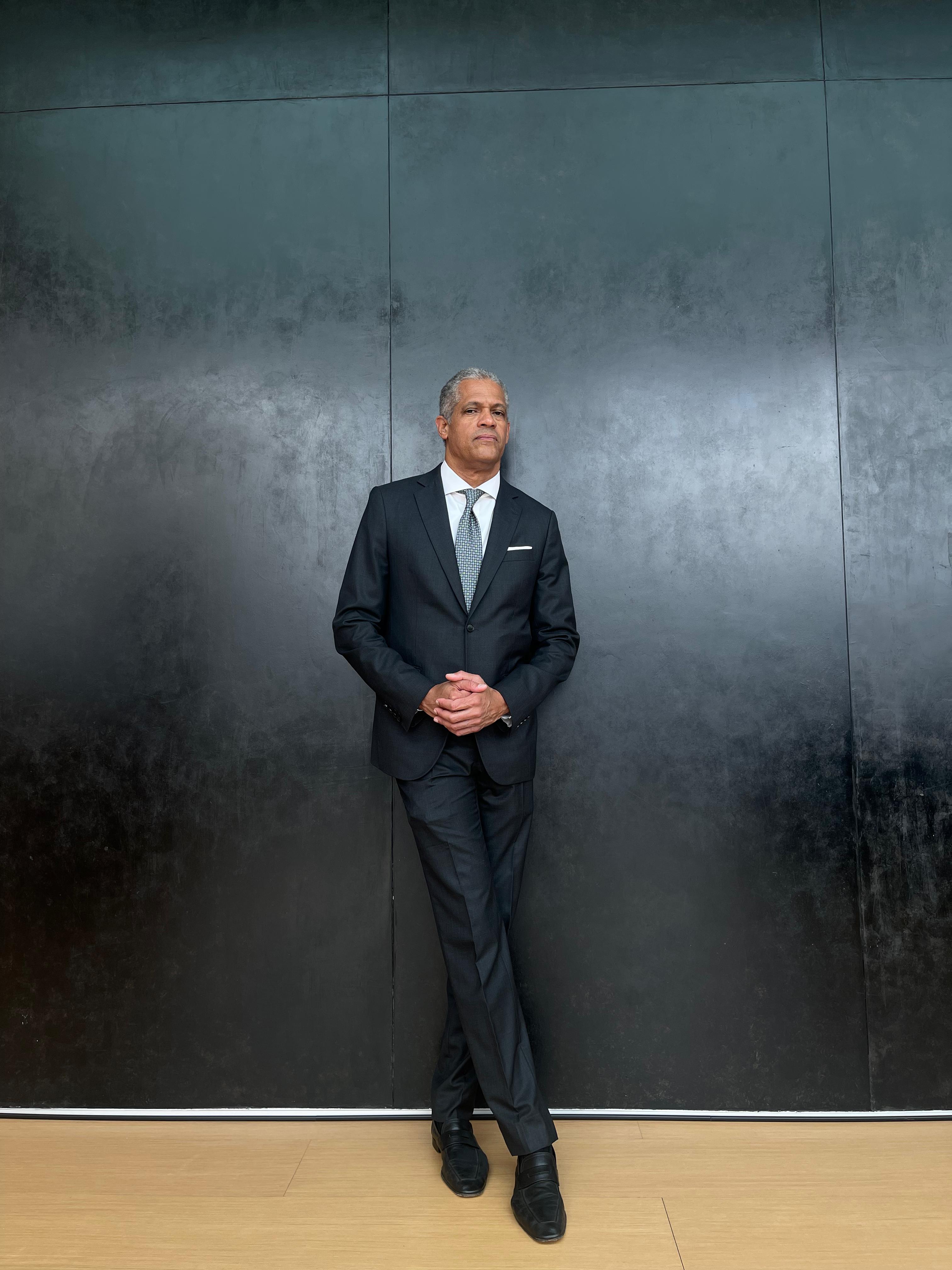
Derek Burton Collins
Connoisseur and art advisor. Thirty years between the auction room and the gallery wall — advising private collectors, auction houses, galleries, and museums across Asia and beyond.