On Provenance, and Its Discontents
Why the catalogue raisonné still outranks the algorithm — and what a paper trail can and cannot prove.
Provenance is the least glamorous word in the art world and the most important. It is the answer to a single question a buyer forgets to ask until it is too late: where has this been, and who says so?
A great object with a broken history is a beautiful problem. A modest object with an unbroken one is often the safer purchase. The market prices the picture; the prudent price the paper. It is not romantic advice. It is merely the advice that survives.
A price is a rumour. Provenance is a fact — or the honest absence of one.
I. The PaperA paper trail is not proof — it is continuity
The catalogue raisonné, the old invoice, the exhibition label, the faded customs stamp: none of these proves a work is authentic. What they prove is that the object has a past, and that the past has been willing to be checked. That is a humbler claim, and a sturdier one. Authenticity is a verdict; provenance is the evidence that lets you trust the verdict.
This is where the machine reaches its limit. An algorithm can match a signature; it cannot vouch for a cellar in Geneva or a widow's memory. Provenance is a human chain, and it is only ever as strong as the people willing to stand behind each link.
II. The GapEvery long history has a gap
Somewhere in almost every distinguished provenance there is a silence — a decade the records skip, a war that swallowed the paperwork, an owner who preferred not to be named. A gap is not a lie. But it is a question, and the collector must be able either to answer it or to price it. What you cannot do is pretend it is not there.
Buy the history you can defend at dinner, not merely the one you can print in a catalogue.
Provenance will never be as thrilling as the object it protects. That is precisely its virtue. It is the quiet, unfashionable paperwork that will still be true when the fashion — and the price — have moved on to something else.
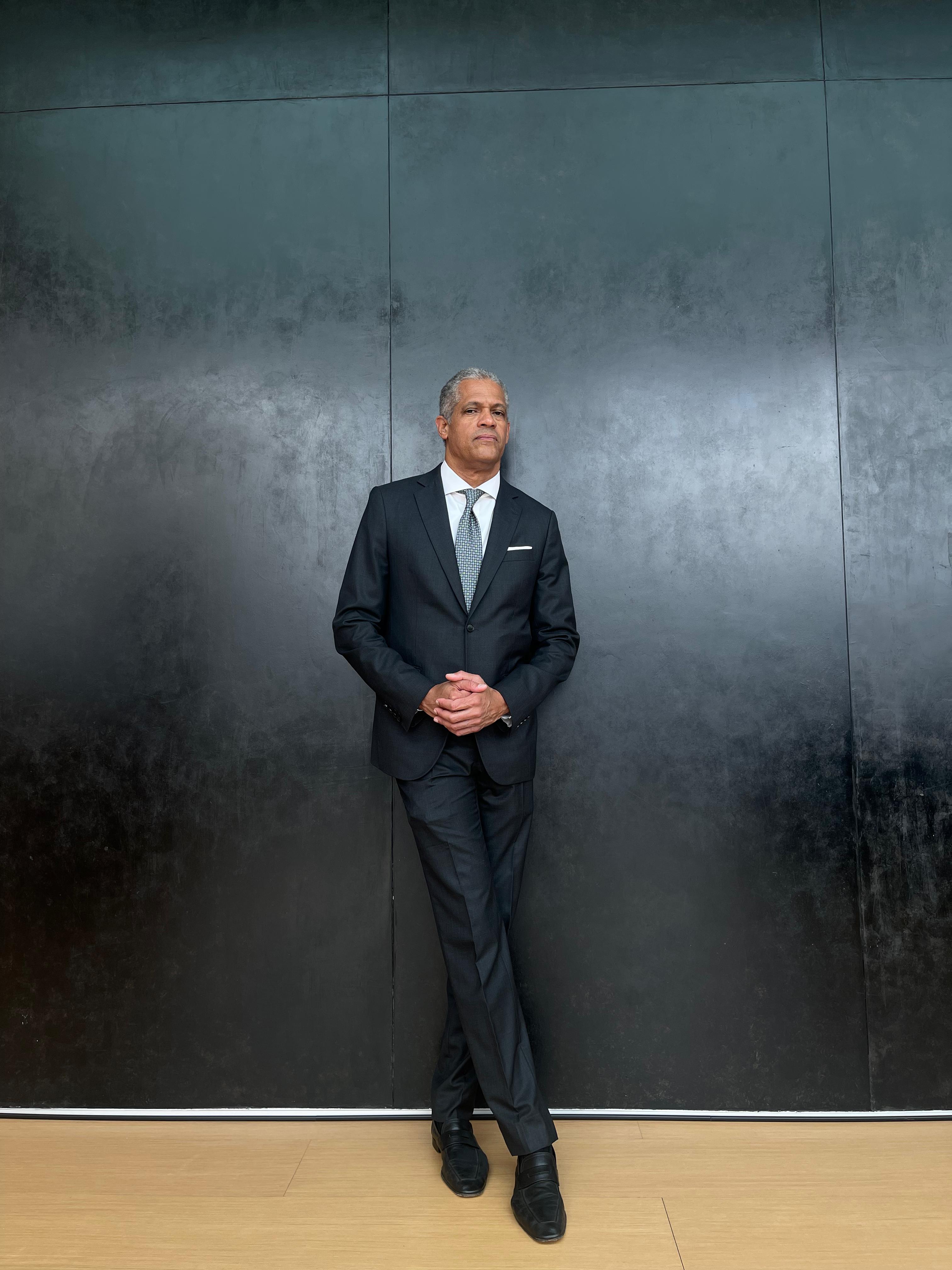
Derek Burton Collins
Connoisseur and art advisor. Thirty years between the auction room and the gallery wall — advising private collectors, auction houses, galleries, and museums across Asia and beyond.