Reading a Fake
The tells a forgery cannot hide — weight, wear, and the small dishonesties of a hand in a hurry.
A forgery is a performance, and like every performance it is exhausting to sustain. The eye that catches one is not hunting for genius. It is watching for fatigue — the moment a hand, straining to be someone else's, tires and becomes its own again.
Collectors imagine authentication as a single dramatic verdict, delivered under a lamp. It is rarely that. More often it is an accumulation of small refusals: this weight is wrong, that wear is too even, this glaze sits a half-century late. No one of them convicts. Together, they are decisive.
The forger can copy the picture. He cannot copy the years.
I. The HandEvery hand has a rhythm
A genuine work is made at the speed of confidence. A copy is made at the speed of caution — and the caution shows. Lines that should be decisive turn careful; a contour that ought to arrive in a single breath is instead assembled from several. Under magnification the story is plain: the original was written, the copy drawn.
This is why comparison is the connoisseur's first instrument. Set the suspect beside a secure example and the borrowed rhythm falls apart. The forger can reproduce the image; he cannot reproduce the temperament of the person who made it.
II. The WearAge is a history, not a technique
Surface is where most forgeries die. Genuine wear is idiosyncratic; it gathers precisely where a thing was actually used — the lip of a bottle, the corner of a frame, the base that met a thousand tables. Manufactured age is democratic. It settles everywhere, evenly, politely, in places no hand would ever have touched.
Dirt can be added in an afternoon. A century of handling cannot.
So when a piece arrives with a story too smooth and a surface too kind, I do not accuse. I simply ask it the questions time would have asked — of its weight, its wear, its hand — and wait to see whether it can answer. The honest ones always can.
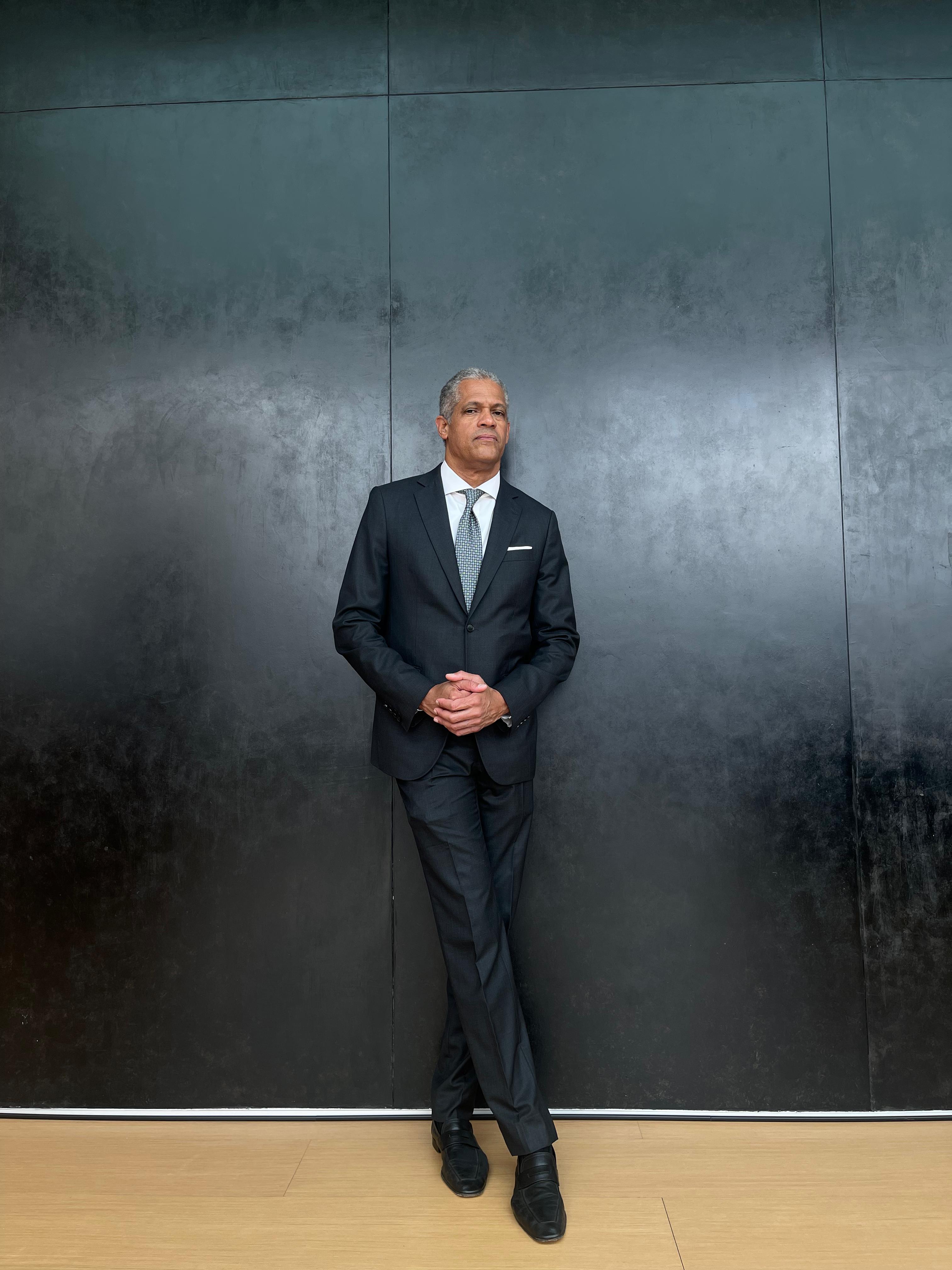
Derek Burton Collins
Connoisseur and art advisor. Thirty years between the auction room and the gallery wall — advising private collectors, auction houses, galleries, and museums across Asia and beyond.