Don't Fall Into This
Pricing Trap
With a living artist, the price you pay is a bet on scarcity — and a busy hand can quietly erase it.

The most expensive mistake a new collector makes with a living artist is a quiet assumption: that the price is stable. That what a work costs today is more or less what it will be worth tomorrow. With contemporary art, that assumption is the trap — and it is the easiest one in the room to fall into.
The reason has nothing to do with taste, and everything to do with supply. Unless a work is truly limited — truly scarce — its price cannot really be stable. Not while the artist is alive and working. The market for a living artist stays in motion until something fixes the supply: the artist moves into a different phase, stops making that kind of work, or, bluntly, passes away. Until one of those things happens, the tap is open.
I. The TrapScarcity is a function of the hand
So the question that actually sets the price is not how good is it? but how much of it will there ever be? — and that depends entirely on how the artist works. Some generate work daily; a studio like that produces a great deal, and abundance and stable prices have never kept company for long. Others take months to finish a single piece; a few take years. Two artists of equal standing can carry completely different pricing for no reason other than that one hand is fast and the other is slow.
Unless a work is truly scarce, its price cannot be stable — not while the hand that made it is still at work.
This is what the headline number can never tell you. A price records one evening's enthusiasm. It says nothing about the fifty more works waiting in the studio, or the fact that there will only ever be three. Buy without knowing which is true, and you are not really buying a work — you are guessing at a supply you have never seen.
II. The Way OutGet close to the work
The way past the trap is proximity. Ideally you visit the studio, spend time with the artist, and come away with a real sense of how they work and how productive they are. That context — not the catalogue, not the crowd — is what lets you read a price honestly, because it tells you the one thing the number leaves out: how rare this will turn out to be.
But you do not have to do this alone, and most collectors cannot. This is precisely where a good advisor earns their place — someone with genuine proximity to the artist, who can give you the context of the artist's practice and of the particular piece in front of you, and help you understand what its price should, and should not, be.
A price is a number. Scarcity is a fact. A collector's whole task is to know the difference before they pay for it.
Understand how the work is made, and how much of it there will ever be, and the number stops being a gamble. It becomes what it was always meant to be — the last thing you consider, not the first.
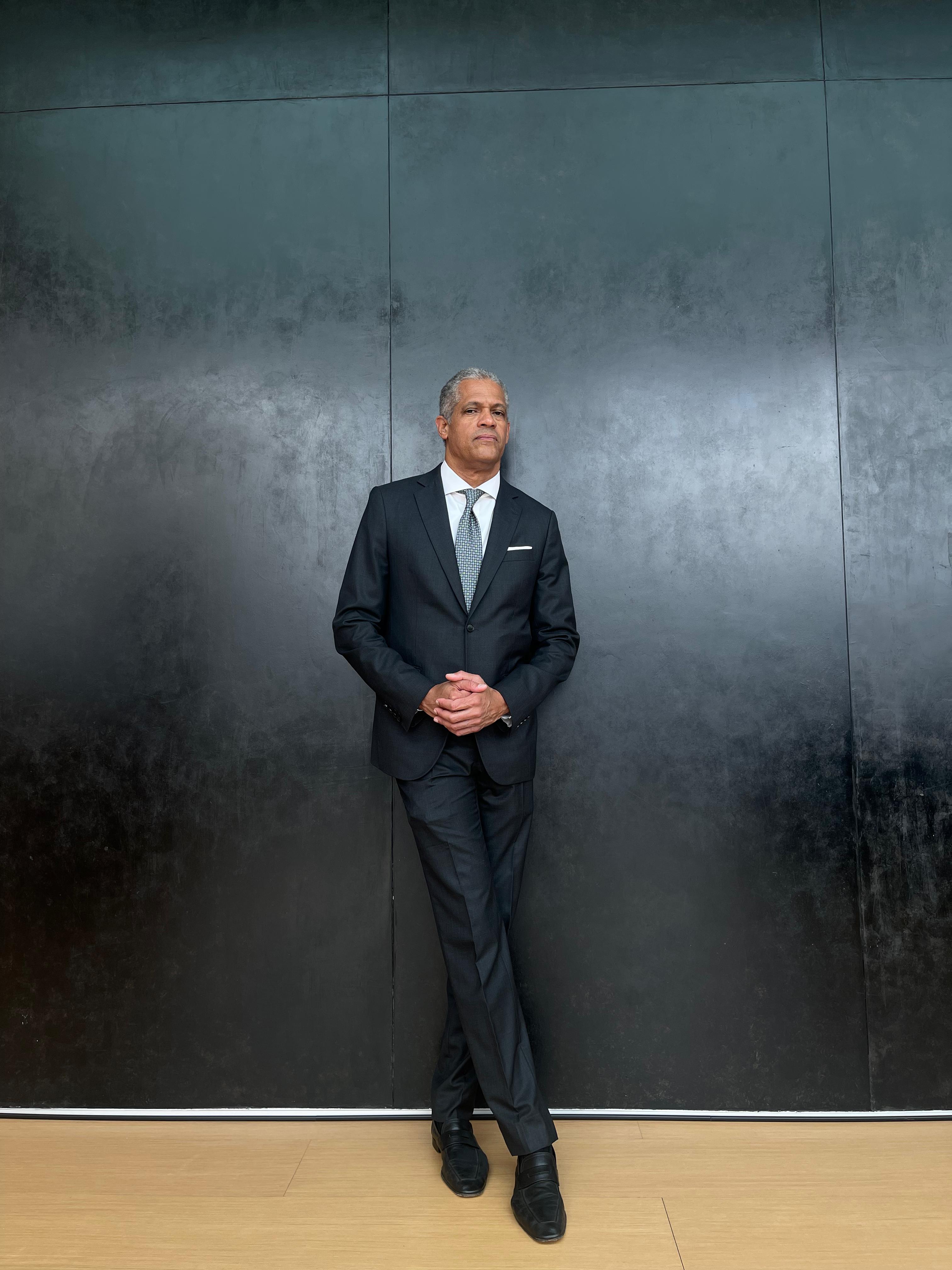
Derek Burton Collins
Connoisseur and art advisor. Thirty years between the auction room and the gallery wall — advising private collectors, auction houses, galleries, and museums across Asia and beyond.